
Let’s talk about fertility.
If you’ve spent any time trying to conceive, you already know how quickly the conversation turns to hormones.
Estrogen, progesterone, thyroid function, egg quality, supplements, IVF.
The entire framework centers around balancing numbers and optimizing lab results. But there’s something almost no one talks about, and it surprised me as much as it might surprise you: the jaw.
I know it sounds unrelated. I thought so too. But both personally and professionally, I’ve seen how much it can matter.
There’s a hidden condition called cavitations, also known as NICO lesions. These are areas of dead, chronically infected bone in the jaw, usually left behind after wisdom tooth extractions. And for some people, they can be one of the most overlooked reasons for “unexplained” infertility.
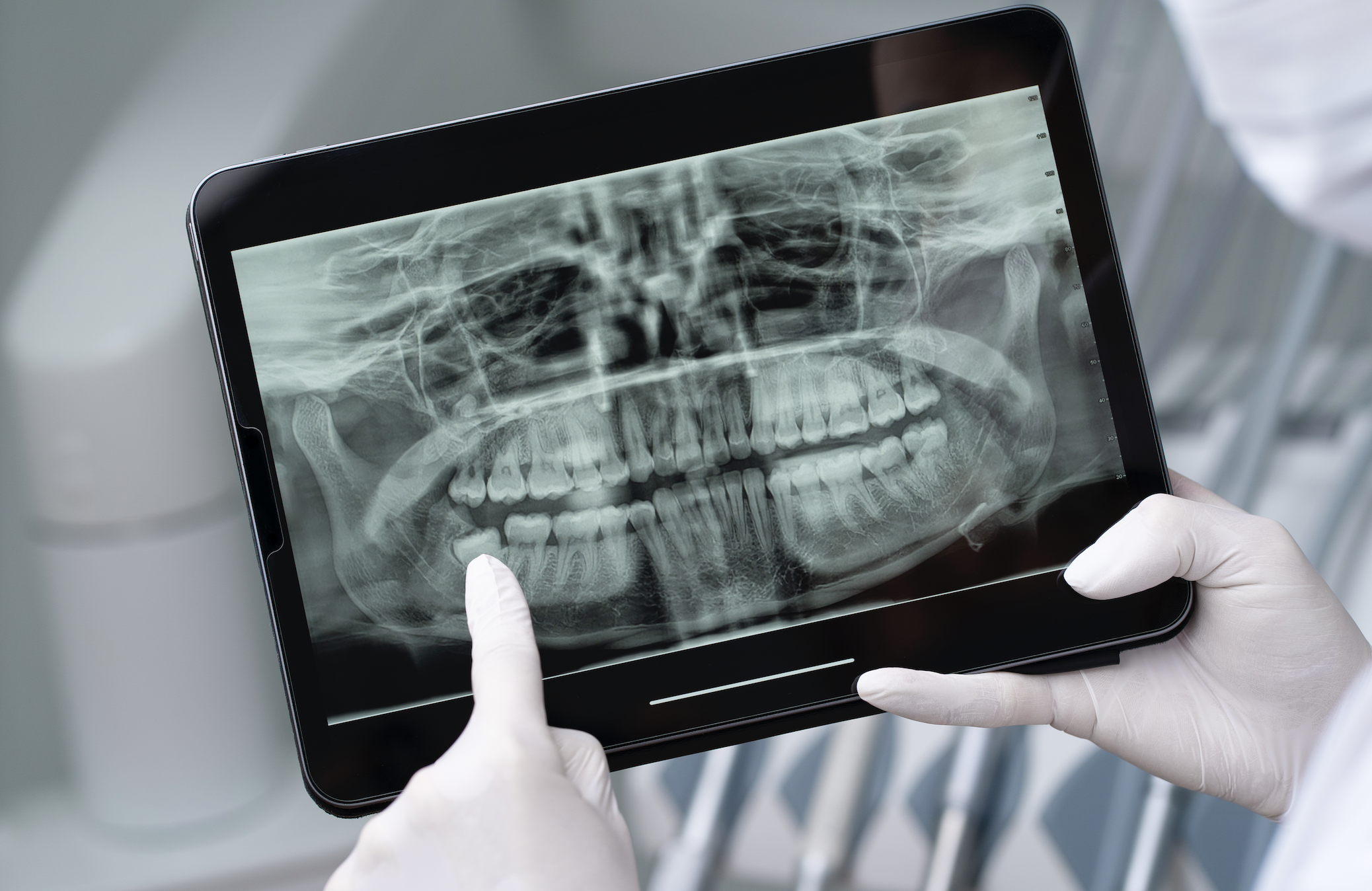
Here’s the thing about cavitations: when a wisdom tooth is removed, most people assume the bone heals. But sometimes it doesn’t. Even if you never had dry socket, an area of the bone can become necrotic—blood flow slows, oxygen is reduced, and anaerobic bacteria thrive.
These areas quietly harbor:
- Chronic inflammatory molecules
- Neurotoxins
- Bacterial byproducts
- Persistent immune activation
And here’s what’s tricky. Most dentists never check for this. Standard X-rays often miss it completely. You can have cavitations for decades and feel no pain at all. I didn’t feel any pain in my wisdom tooth sites.
But your body knows.
Your nervous system knows.
Your immune system knows.
Think of it like dragging an anchor behind your body. That constant, unseen interference can quietly block energy, immune function, and sometimes fertility.
You might be wondering why I’m sharing this.
I’m sharing it because I lived it.
For years, I did everything “right.” I focused on mineral balance, supported my nervous system, optimized my nutrition, and tracked my cycles carefully. From a clinical perspective, everything looked normal. My labs were fine. There was no obvious explanation for why I couldn’t conceive.
But I knew my body well enough to sense that something wasn’t fully aligned. It felt less like a deficiency and more like a block.
Eventually, I discovered cavitations in my old wisdom tooth extraction sites — areas of necrotic bone that had likely been present for years. They weren’t painful, and they weren’t visible on standard imaging, but they were there.
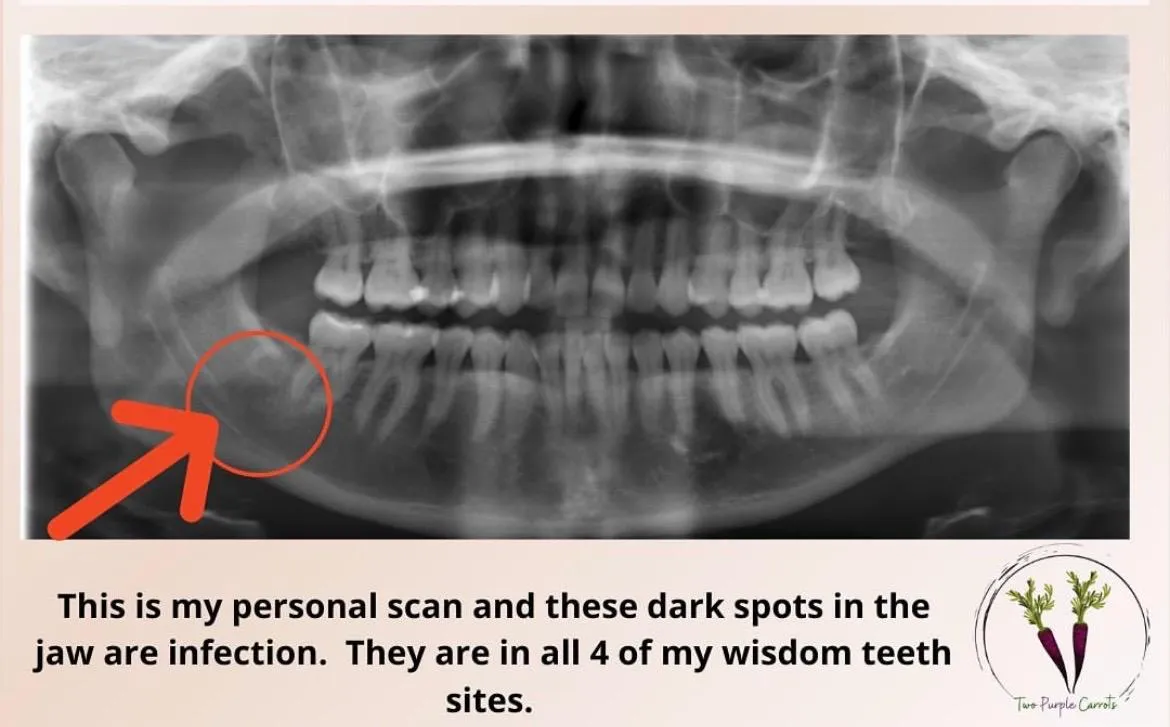
I decided to undergo cavitation surgery to remove the dead tissue and properly clean the sites so healthy bone could regenerate. What stands out to me most wasn’t just the procedure, it was how I felt afterward. Instead of feeling depleted, I felt unexpectedly clear and energized. It was as though something subtle but significant had shifted.
Two days later, I became pregnant.
After years of infertility, the only variable that changed was the removal of that chronic interference. My body was finally able to regulate in the way it was designed to.
What cavitation surgery involves
Cavitation surgery is not cosmetic. It’s a restorative procedure intended to remove chronically infected or necrotic bone and support proper healing. Typically, it involves reopening the extraction site, removing unhealthy tissue, thoroughly cleaning the area, and stimulating blood flow so new bone can regenerate before closing the site.
Some biological dentists may also use supportive therapies such as ozone, platelet-rich fibrin (PRF), laser therapy, or other regenerative techniques to enhance healing.
Most conventional dentists are not trained to diagnose or treat cavitations. In many cases, they were simply never taught to look for them. Standard 2D X-rays often miss these lesions, which means patients can carry this hidden stressor for years without knowing it.
Finding a qualified provider
If this is something you want to explore, look for a dentist who:
- Practices biological or integrative dentistry
- Has specific training in cavitation surgery
- Uses CBCT (3D imaging) for proper diagnosis
- Has experience cleaning and restoring extraction sites
Organizations such as the International Academy of Oral Medicine and Toxicology (IAOMT) and the International Academy of Biological Dentistry and Medicine (IABDM) can help you locate practitioners trained in this approach.
I want to be clear: cavitations are not the only cause of infertility. But they are frequently overlooked, especially when everything appears “normal” on paper. If you’ve exhausted the usual avenues and still feel something is missing, this may be worth discussing with a qualified provider.
If you’re interested in reading more about Neuralgia-Inducing Cavitational Osteonecrosis (NICO), here are a few studies to explore:
- https://pmc.ncbi.nlm.nih.gov/articles/PMC3513818/
- https://onlinelibrary.wiley.com/doi/10.1111/odi.13886
- https://www.tduymaz.com/en/nico-cavitation-fdoj/



Responses